

Navigating through all the various options around travel technology requires making informed decisions about whether to invest in custom-built travel solutions or rely on off-the-shelf options.
This comprehensive article explores the distinct advantages of bespoke solutions while comparing them with ready-made alternatives.
Key Takeaways
- Custom-built travel solutions offer superior alignment with specific business requirements and provide a competitive advantage through tailored functionality.
- While the initial investment for custom solutions is higher, they typically deliver greater long-term return on investment and reduced operational costs.
- Off-the-shelf products offer faster implementation but often come with hidden costs, limited customisation, and potential integration challenges.
- Custom software development services create solutions that grow with your business, adapting to changing market trends and technological advancements.
- The decision between custom and shelf solutions should be guided by your unique business goals, budget constraints, and long-term strategy.
The Role of Travel Software in Policy Compliance
In today’s travel & hospitality sector, software solutions play a crucial role in ensuring policy compliance whilst enhancing the reservation process.
Custom software offers a nuanced understanding of regulatory requirements that generic solutions simply cannot match.
With cyber threats constantly evolving, bespoke solutions provide targeted security measures tailored to your specific business ecosystem.
Real-time availability management has become essential for successful platforms in the industry. Custom apps enable businesses to implement sophisticated platforms that handle availability checks seamlessly, preventing double bookings and enhancing customer satisfaction.
This level of customisation is rarely achievable with shelf software, which typically offers only basic features designed for a mass market.
Custom-Built Travel Solutions: An Overview
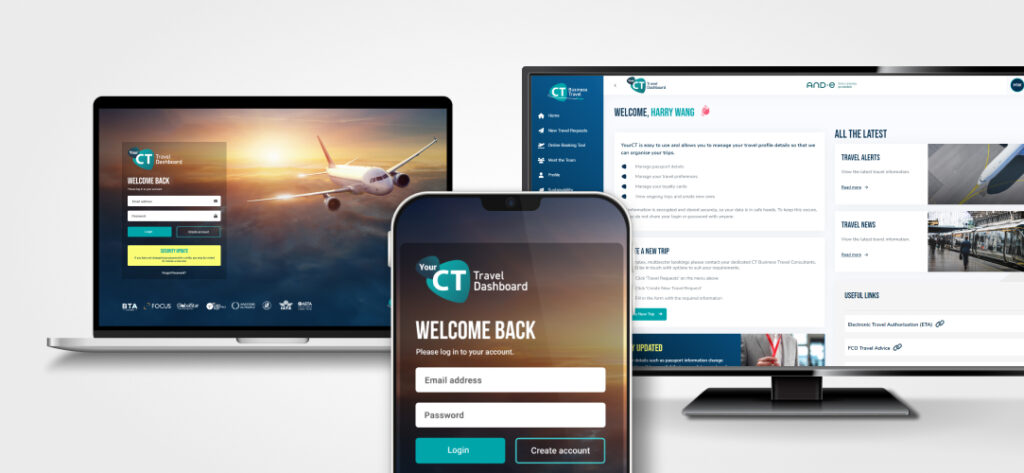
Custom software development solutions offer travel businesses the opportunity to create technology that perfectly aligns with their unique business processes.
Unlike shelf products, custom software is built from the ground up with a deep understanding of specific business challenges and requirements.
The development process involves collaboration between your business and a dedicated team of developers who transform your vision into reality.
Custom booking systems represent a significant advancement over generic booking technology. They integrate seamlessly with your existing technology stack and can be designed to address the specific pain points in your booking process.
As technology advances, your custom systems can evolve accordingly, ensuring your business remains at the forefront of innovation.
Flexibility and Tailoring Capabilities
The primary advantage of custom software development is the unparalleled flexibility it offers.
Custom features can be designed specifically to address your unique business requirements, creating solutions with custom features that drive business growth.
The level of customisation available means that every aspect of the software can be tailored to optimise your business model.
Custom applications offer the ability to adjust and scale as your business ecosystem evolves. This adaptability ensures that your technology investment continues to deliver value even as market trends shift.
Customisable user interfaces allow you to create seamless user experiences that reflect your brand identity and accommodate the specific needs of your target audience.
Competitive Advantages: Scalability and Security
Custom software development provides significant competitive advantages through enhanced scalability and security features.
As your business grows, custom solutions grow with you, accommodating increased demand without performance degradation. This scalability ensures your booking technology remains efficient even during peak periods.
Security is paramount in financial applications such as booking systems. Custom software development partners can implement robust security measures specifically designed to protect against the cyber attacks that target travel businesses.
This tailored approach to security offers protection that shelf alternatives, with their one-size-fits-all security features, simply cannot match.
Integration with Existing Systems
Seamless integration with your current systems is another major advantage of custom software development.
A custom software provider will ensure that your new solution works harmoniously with your existing technology stack, creating a cohesive business ecosystem. This integration eliminates data silos and streamlines operations.
For businesses utilising multi supplier travel inventory systems, custom solutions offer integration capabilities that shelf options often lack.
Custom software can be designed to communicate effectively with various inventory sources, ensuring real-time availability information is accurately reflected across all platforms and preventing costly double bookings.
Unique User Experiences

User satisfaction is a critical factor in the success of any travel platform. Custom software development enables the creation of unique user interfaces that prioritise the user experience above all else.
By incorporating user feedback throughout the development process, custom solutions can create seamless user experiences that drive conversion rates.
Custom apps allow for the implementation of tailored booking engine features such as personalised recommendations, customised search parameters, and branded reminders for customers.
These personalised touches demonstrate your commitment to customer convenience and significantly enhance the customer experience, setting your platform apart from competitors using shelf booking solutions.
Development and Implementation Timeline
The development time for custom software is admittedly longer than implementing shelf alternatives. However, this investment of time results in a solution that perfectly addresses your business requirements.
The custom software development process typically includes detailed design phases, development, testing, and implementation, all conducted with your specific needs in mind.
While shelf products offer immediate deployment, they often require additional customisation to meet even basic business requirements.
This customisation can extend the implementation timeline considerably, reducing the time advantage of off-the-shelf options. Furthermore, custom software development companies typically provide experts for implementation, ensuring a smooth transition to your new system.
Cost Considerations
The upfront cost of custom software development is generally higher than purchasing shelf solutions. This initial investment covers the entire project, from requirements analysis to final implementation. However, when assessing the long-term financial implications, custom solutions often prove more economical.
Development costs for custom software vary depending on project complexity, but the return on investment typically exceeds that of shelf products when measured over time.
Custom solutions eliminate the hidden costs associated with shelf options, such as licensing fees, paid upgrades, and additional costs for extra users.
Over time, the operational costs of maintaining custom software are often lower than the ongoing expenses associated with shelf alternatives.
Off-the-Shelf Travel Solutions: An Overview

Shelf solutions offer pre-built software designed to meet common business requirements in the travel industry. These shelf products provide basic features that satisfy general needs but lack the specialised functionality that many travel businesses require.
Online Travel Agencies and similar businesses with straightforward requirements may find shelf options sufficient for their needs.
Shelf applications are designed for a broad user base, making them accessible but inherently limited in their ability to address unique business challenges. While they may incorporate some booking technology best practices, they cannot account for the specific nuances of your business ecosystem.
Immediate Deployment Benefits
The primary advantage of shelf products is their immediate availability. These solutions require minimal setup, allowing for quick implementation without extensive development time.
For businesses facing urgent needs, shelf options provide a functional solution that can be deployed rapidly.
This quick deployment can be advantageous when time constraints are paramount. However, businesses should consider whether this short-term benefit outweighs the long-term advantages of custom solutions that perfectly align with their business requirements.
Predictable Pricing Structures
Shelf solutions typically offer predictable initial costs, with clear pricing structures that make budgeting straightforward.
The upfront investment is generally lower than custom development, making these options appealing for businesses with limited capital.
However, the actual development costs of implementing and customising shelf products can quickly escalate.
Additional customisation, integration with existing systems, and user training can all contribute to potential costs that may not be immediately apparent. When calculating booking system cost, these hidden expenses must be factored into the equation.
Reliability of Updates and Support
Off-the-shelf systems typically include regular updates and ongoing maintenance as part of their service offering. This continuous maintenance ensures the software remains current with technological advancements and security standards.
Updates are generally rolled out to all users simultaneously, requiring minimal involvement from your team.
However, these updates may not align with your specific business goals or timing preferences. Updates designed for the mass market may introduce features that are irrelevant to your operations or alter functionality that you rely upon.
This lack of control over the development process represents a significant limitation of shelf options.
Convenience and Cost-Effectiveness
For businesses with standard requirements and limited technical resources, shelf solutions offer convenience and apparent cost-effectiveness.
These options eliminate the need to manage a development team or oversee a custom software development project, reducing administrative burden.
The shelf product approach also minimises the financial commitment required upfront, spreading costs over time through subscription models. This can improve cash flow compared to the significant initial investment required for custom development.
However, businesses must weigh these short-term financial benefits against the long-term cost savings and competitive advantages offered by custom solutions.
Limitations of Custom-Built Solutions
Despite their numerous advantages, custom-built solutions can come with certain limitations, depending on the provider.
There are providers that require upfront investment which can be substantial, potentially straining financial resources. Additionally, the development process can demand significant time and involvement from stakeholders to ensure the final product meets all business requirements.
Custom software development also requires ongoing maintenance, which may necessitate continued collaboration with your development partner.
This relationship represents a long-term commitment rather than a one-time purchase. Businesses must ensure they select a custom software development company that will provide reliable support throughout the lifecycle of their solution.
Limitations of Off-the-Shelf Solutions
Shelf alternatives frequently fall short in meeting the specific requirements of travel businesses.
Their limited customisation options can force companies to adapt their processes to the software rather than vice versa, potentially compromising operational efficiency.
Additionally, shelf systems may lack integration capabilities with specialised travel industry tools.
As businesses grow, shelf options often prove inadequate, constraining business growth rather than enabling it.
The inability to implement custom features means that businesses cannot fully realise their vision or differentiate themselves from competitors using the same shelf booking solutions.
Furthermore, shelf products may not keep pace with technology advances specific to the travel industry.
Factors Influencing the Decision
Choosing between custom and shelf solutions represents a critical decision that will impact your business’s operations for years to come.
Several key factors should influence this decision, including your current needs, future growth plans, and specific industry requirements.
Budget Constraints
Financial considerations inevitably can play a crucial role in the decision-making process, depending on the provider you choose. With a number of providers, the initial cost of custom software development requires a significant financial investment upfront.
However that is not the case with CT Business Travel’s own custom software. With our custom software there are no initial costs for set up and implementation.
So, when evaluating these options, you should consider not just the upfront cost but the total cost of ownership over time.
This holistic approach often reveals that custom solutions provide greater cost savings in the long run, despite their higher initial investment.
Need for Unique Features and Customisation
The level of customisation required should heavily influence your decision. Businesses with industry-specific requirements or unique operational processes will benefit significantly from custom development.
Custom solutions enable the creation of advanced solutions that perfectly align with your business model.
Shelf products, conversely, offer limited customisation options, restricting your ability to implement distinctive features that could provide a competitive advantage.
Businesses must determine whether the available customisation options in shelf alternatives are sufficient to meet their needs.
Long-term Business Strategy and Goals
Perhaps most importantly, your choice should align with your long-term business strategy. Custom software development creates solutions that can adapt to changing business requirements, supporting future growth and evolution.
This adaptability ensures your technology investment continues to deliver value as your business landscape changes.
Successful businesses recognise that technology decisions have long-term implications. Custom solutions offer the flexibility to accommodate shifting market trends, evolving customer expectations, and new technological advancements.
This forward-looking approach positions your business for long-term success rather than short-term convenience.
Conclusion

The choice between custom-built software vs off-the-shelf travel solutions represents a significant decision for any travel business.
While shelf options offer immediate deployment and lower initial costs, custom solutions provide superior alignment with business requirements, enhanced user satisfaction, and greater long-term value.
For businesses seeking a competitive advantage in the travel & hospitality sector, custom software development offers compelling benefits.
The ability to create solutions with custom features that perfectly address your unique challenges and requirements enables your business to differentiate itself in a crowded marketplace.
Furthermore, custom solutions grow with your business, adapting to changing needs and technological advancements.
Although the upfront investment for custom development exceeds that of shelf alternatives, the long-term return on investment often proves superior.
By eliminating hidden costs, reducing operational inefficiencies, and enhancing customer experience, custom solutions typically deliver greater value over time.
When making this crucial decision, businesses should carefully assess their specific requirements, long-term goals, and financial considerations.
By taking a strategic approach to this technology decision, travel businesses can position themselves for sustained growth and success in an increasingly competitive industry.
Why not speak to us today about our bespoke travel technology and how custom build software can help your business operations.